
Cluster 06
Off-Grid Comms: The Beginner's Field Guide
Cell service is the first thing to go in a real emergency. A storm knocks out the towers, the backcountry never had a signal, and a grid-down week leaves your phone as a flashlight. Two-way radio is the layer underneath all of that, the way a family or a group stays in contact when the network is gone. This hub breaks down the two starting points for off-grid comms, GMRS and ham radio, in plain English so you can set up a fallback before you need it.
How to choose
How to think about an off-grid comms setup
Radio is the layer below cell service
Your phone works until the tower does not. After a storm, in the backcountry, or in a grid-down stretch, two-way radio keeps a family or a group talking when nothing else will. Treat it as the fallback layer you set up before you need it.
GMRS is the easy start, ham goes further
GMRS gets you on the air fast with a single family license and no exam. Ham radio asks you to pass a short test, and in return you get far more range, more frequencies, and the repeater networks that emergency teams actually use.
Buy the radio, then learn to use it
A radio you have never keyed up is not a comms plan. Pick a unit, program a few local channels, and run a quick check with the people you want to reach. Range and confidence both come from practice, not from the box's marketing number.
The building blocks
Explore every part of off-grid comms
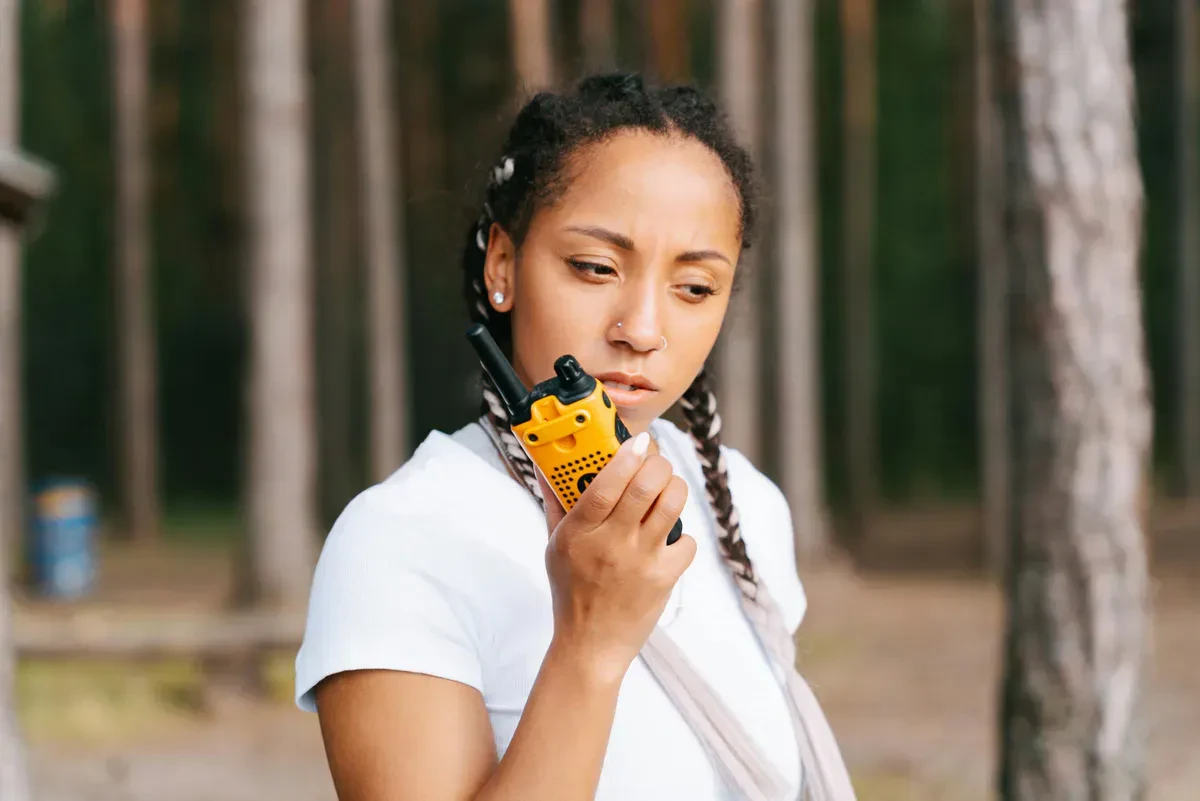
GMRS Radios
The easy on-ramp to real two-way radio. One $35 license covers the whole family, no test required.
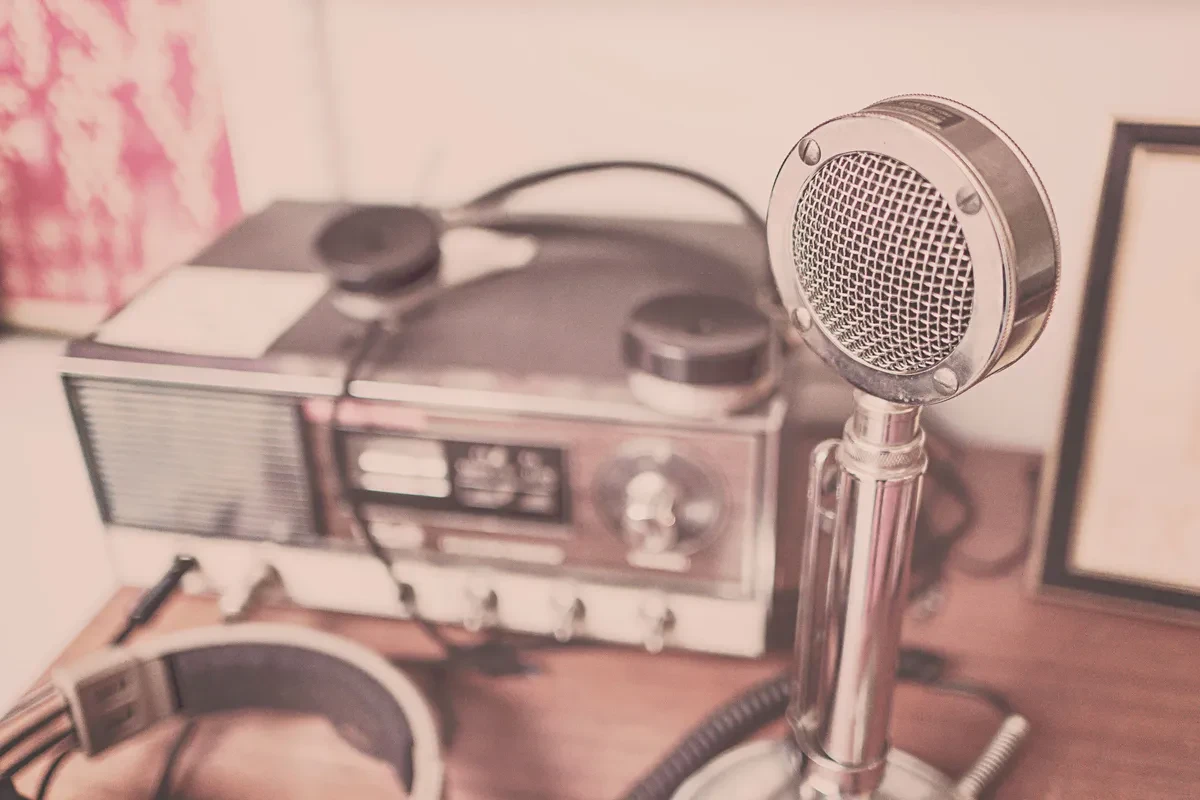
Ham Radios for Beginners
More power, more range, and repeater networks built for emergencies. A short exam gets you in.
Off-Grid Internet
Satellite broadband that fits in a pack. Our research review covers published power requirements and sky-view limits.
Powering a Starlink Mini
The power banks, 12V cables and small stations that meet Starlink's input rules, and how many hours each one runs the Mini.
Put it together
Builds, tools, and more
Bug-Out Power Kit
A radio is dead without power. Build the kit that keeps it charged.
Run-Time Calculator
See how long a power station keeps your radios and devices alive.
Power Hub
Mobile radios and chargers need a power source. Start here.
Beginner Guides
Plain-English how-tos on power, water, and self-reliance.
Frequently Asked Questions
Why do I need a radio if I have a cell phone?
Because cell phones fail exactly when you need them most. Towers lose power or get overloaded after a hurricane or wildfire, and cell coverage simply does not reach much of the backcountry. Two-way radio does not depend on any of that infrastructure, so a GMRS or ham handheld keeps you in contact with family or a group when the grid and the cell network are both down. It is the fallback layer, not a replacement for your phone.
Should a beginner start with GMRS or ham radio?
Most beginners should start with GMRS. The license is a flat $35 for ten years, it covers your whole immediate family, and there is no exam to pass, so a family can be on the air the same week. Ham radio is more capable, with greater range and access to the repeater networks emergency teams rely on, but it requires passing a 35-question Technician exam first. A common path is to start on GMRS for family use, then add a ham license when you want the extra reach.
How far can these radios actually reach?
Far less than the box claims, and that is fine once you understand why. Those 35-mile numbers assume two people on mountaintops with nothing in between. In real terrain, a handheld GMRS radio gives you roughly one to two miles in forest or hills, while a mobile unit with a good rooftop antenna can reach five miles or more. The real distance booster is a repeater, a relay station on high ground that can extend usable range across a whole county.
What about satellite messengers and beacons?
Satellite messengers like the ones built into newer phones and standalone beacons are a genuinely useful third layer, especially for solo backcountry travel where no one is in radio range. They send short texts and SOS signals from almost anywhere with a clear view of the sky. A dedicated satellite-messenger guide is not available here yet, so for now this hub focuses on the two-way radio tools you can rely on today.