
The heat cluster
Off-Grid Heat: The Beginner's Field Guide
Staying warm off-grid comes down to three fuels and one rule. Propane, diesel, and wood each heat a space well, but each trades convenience for cost, moisture, or labor. The one rule that ties them together is air: every flame needs fresh air coming in and a CO alarm watching the room. This hub breaks down each option in plain English so you pick the right heater the first time and run it safely.
How to choose
How to think about off-grid heat
Match the heater to the space
A tent, a van, and a cabin all want different heat. Size the heater to the room, not the other way around, or you will burn fuel and money fighting the wrong tool.
Respect the fuel you pick
Propane is fast and portable but adds moisture and consumes oxygen. Diesel is dry and efficient but needs an install. Wood is cheap heat but constant work. Each trades convenience for something.
Plan for safety from day one
Every combustion heater makes carbon monoxide and needs fresh air. A battery CO alarm and a cracked vent are not optional extras, they are part of the heater.
The building blocks
Explore every way to heat off-grid
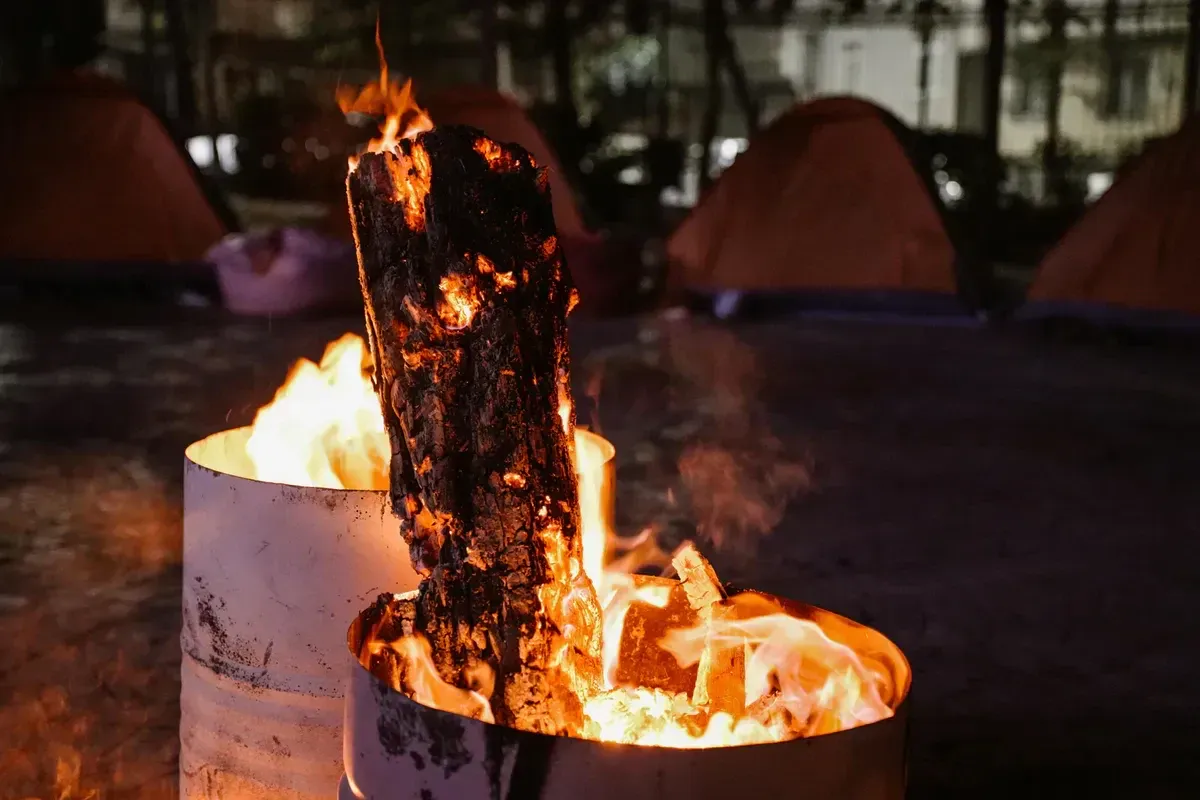
Indoor-Safe Propane Heaters
Fast, portable radiant heat for tents, cabins, and trucks, with an oxygen sensor and the ventilation rules that keep it safe.
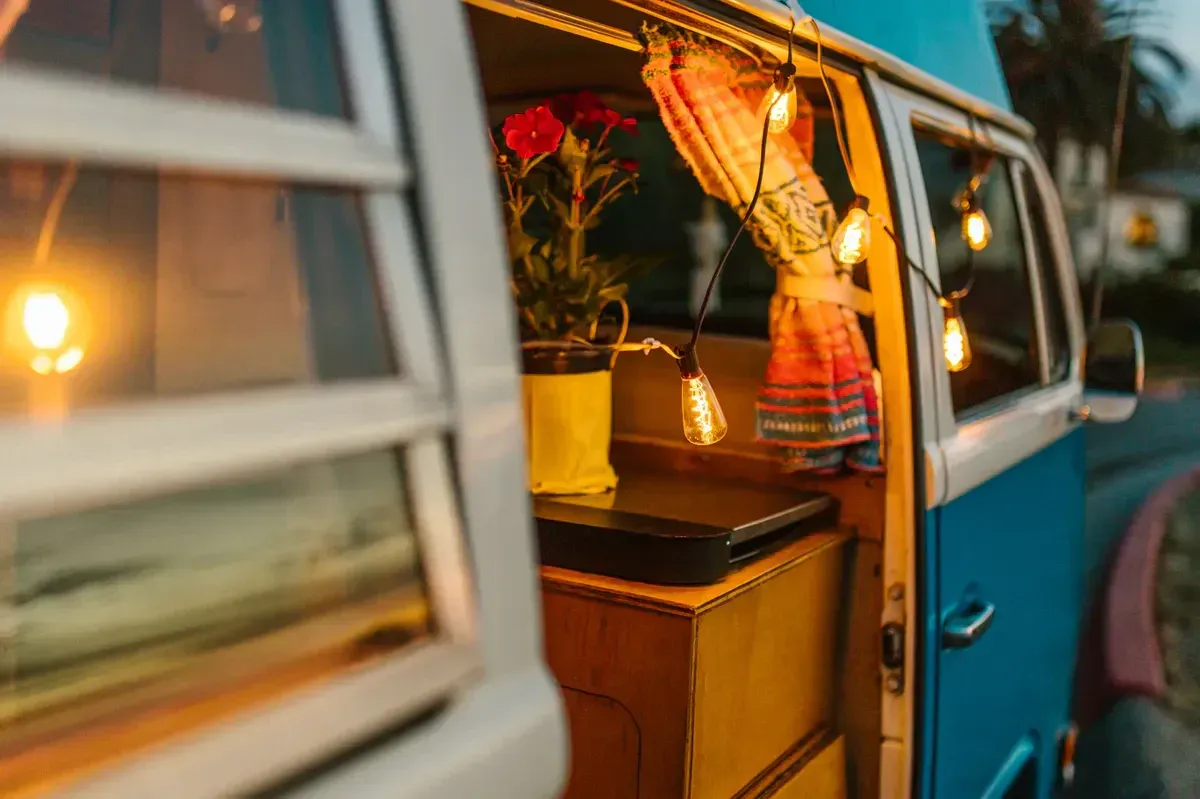
Diesel Heaters for Vans
Dry, quiet, all-night heat that sips fuel and runs off your tank, with the sizing trap that ruins most van installs.
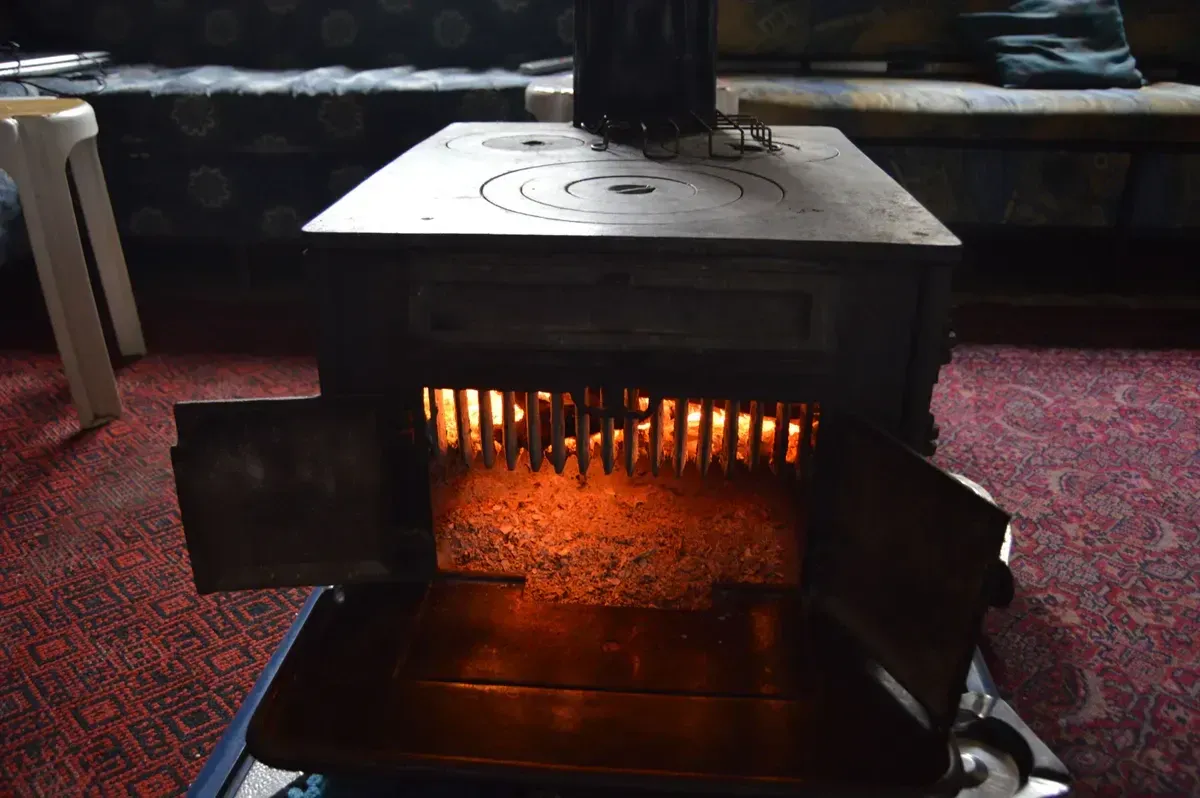
Wood Stoves for Cabins
The classic cabin warmth that burns a fuel you can cut yourself. Our top wood stoves by cabin size, with the sizing and chimney rules that matter.
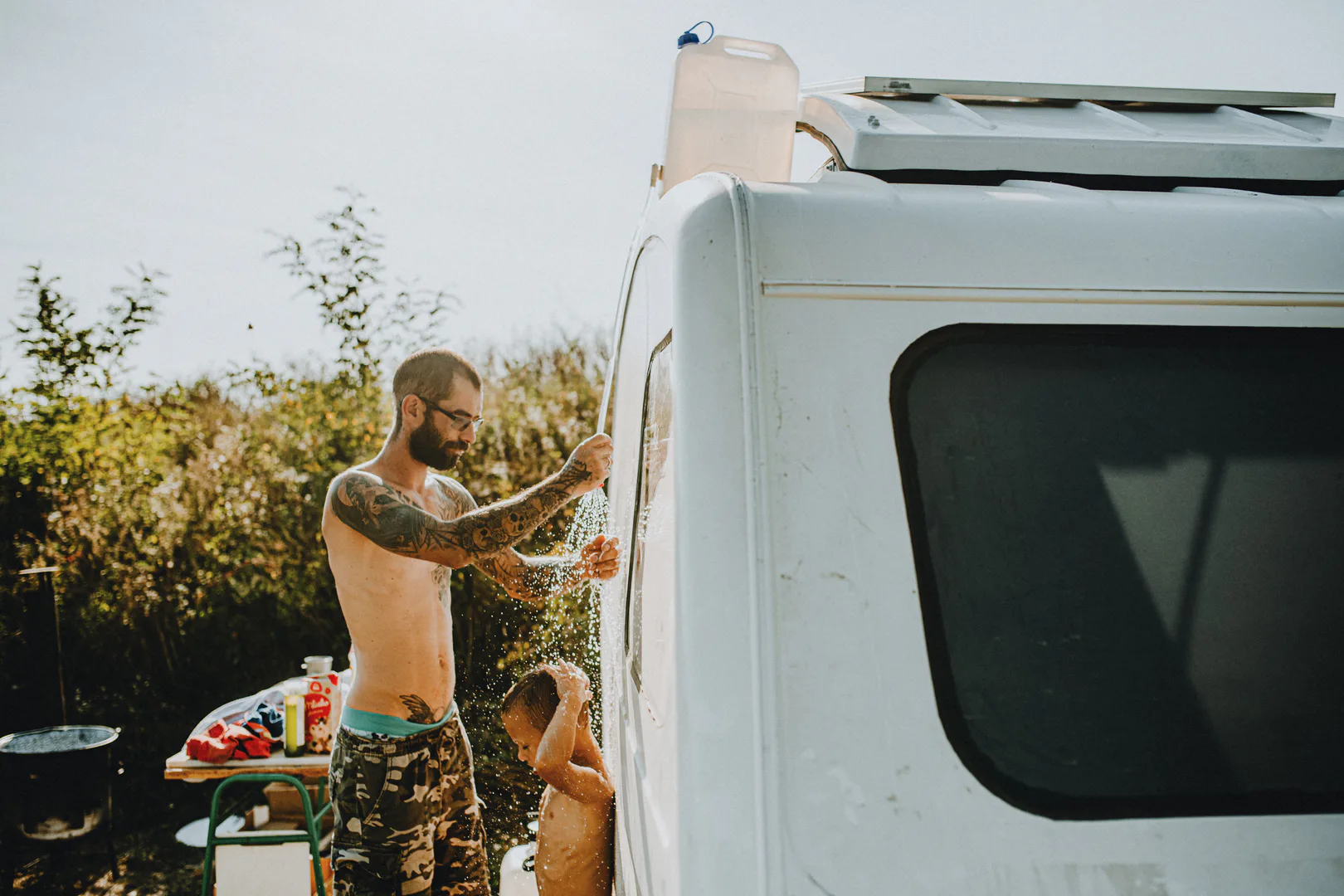
Portable Propane Water Heaters
Instant hot showers from a propane tank and a trickle of water pressure. The four heaters worth buying, and the pressure spec that decides it.
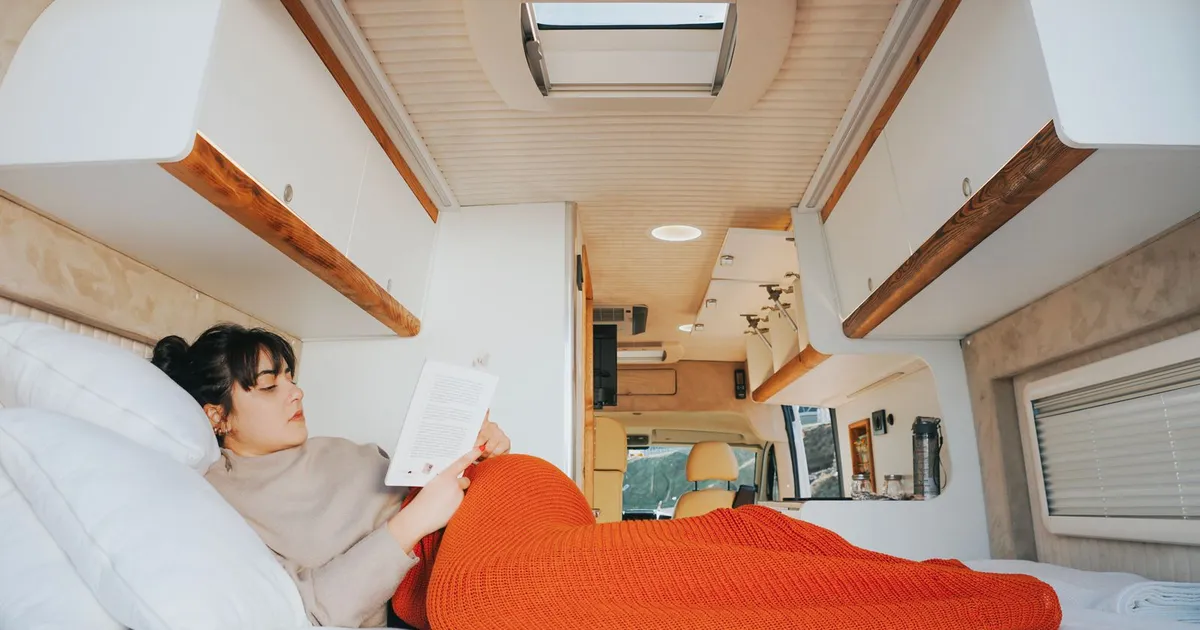
12V Electric Blankets
Heat the bed, not the van, on 4 to 6 amps. The blankets for a car socket, a tent and a cabin bunk, and how long a battery runs each.
Put it together
Builds, tools, and more
Complete Builds
Copy-and-buy parts lists for vans, RVs, and cabins.
Solar Calculator
Answer a few questions, get a starting parts list.
Power Hub
A diesel heater's fan runs off your battery, so size power too.
Beginner Guides
Plain-English how-tos on solar, sizing, and wiring.
Frequently Asked Questions
What is the best way to heat an off-grid van or cabin?
It depends on the space and how often you use it. For a van you live in through winter, a diesel air heater is hard to beat because it makes dry heat, runs all night on very little fuel, and pulls combustion air from outside. For a tent, truck, or weekend cabin, a portable propane heater is cheaper and instant. A wood stove is the classic cabin answer when you have the room and do not mind tending a fire.
Are indoor propane heaters actually safe to use inside?
The ones built for it are, with rules. An indoor-safe heater has an oxygen depletion sensor that shuts it off if the room runs low on oxygen, plus a tip-over switch. But that sensor is not a carbon monoxide detector, and propane also dumps a lot of water vapor into the air. You always crack a vent for fresh air and always run a separate battery CO alarm. Use a heater only in the spaces its maker allows, with the stated ventilation and clearances. A CO alarm and a cracked vent do not override those limits. Never run a fuel-burning heater while sleeping in a tent, camper or vehicle (CPSC).
Diesel heater or propane heater for a camper van?
For full-time or cold-weather van living, diesel wins. It produces dry heat instead of the damp warmth propane gives off, it sips fuel from your existing tank or a small dedicated one, and the combustion is sealed away from the air you breathe. Propane is the better pick for occasional use, smaller budgets, and anyone who does not want to cut a hole in the floor for an install. Many vanlifers keep a small propane heater as backup either way.
How much does it cost to heat off-grid?
Less than people expect once the gear is bought. A portable propane heater is the cheapest to buy and runs on inexpensive 1 pound cylinders or a refillable 20 pound tank. A diesel heater costs more up front but is the cheapest to run, often under a gallon of fuel a night even in deep cold. Wood is nearly free if you cut it yourself, but the stove and chimney install is the priciest entry.
Do I need a carbon monoxide detector for an off-grid heater?
Yes, without exception. Every fuel-burning heater can produce carbon monoxide, an odorless gas that is dangerous in an enclosed space. A cheap battery-powered CO alarm is the single most important piece of safety gear you will buy, and it keeps working off-grid because it does not need shore power. Mount one near where you sleep and test it regularly.