
Cluster 07
Off-Grid Security: The Beginner's Field Guide
A remote cabin spends most of the year alone, and the worry is always the same: what is happening out there right now? Ordinary security cameras assume an outlet and a router, which is exactly what remote land does not have. Off-grid security comes down to two problems, power and connectivity, and both are solved: solar panels keep a battery camera charged, and 4G LTE or local SD recording replaces wifi. This hub breaks down how to watch a property that has neither power nor internet, in plain English.
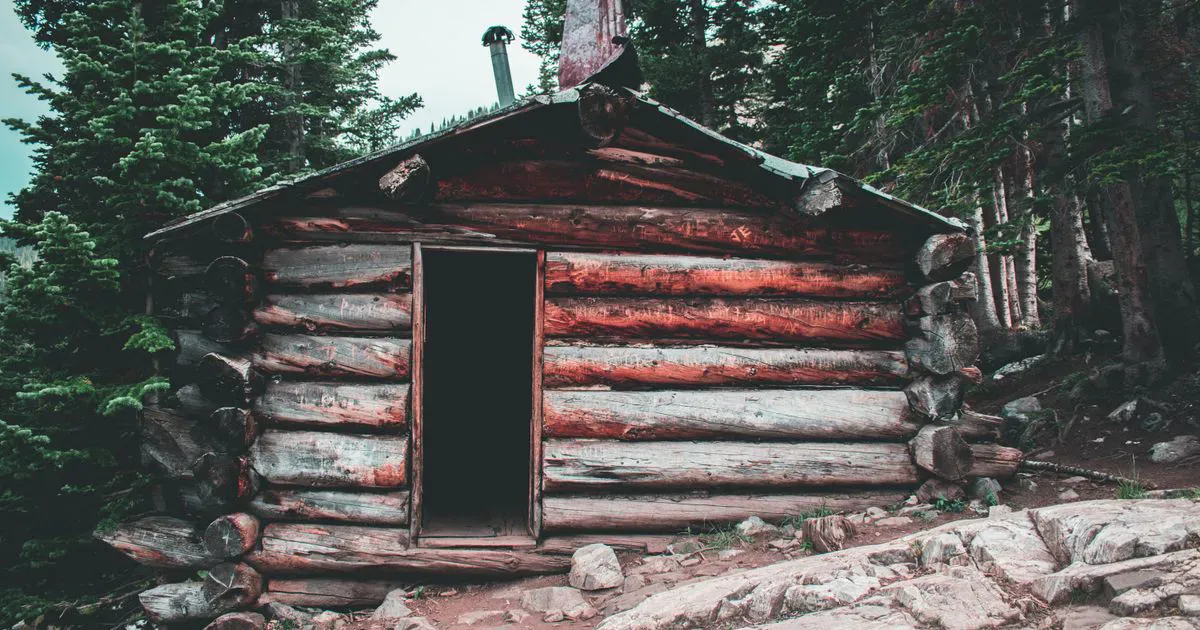
How to choose
How to think about off-grid security
Solve power first
There is no outlet on a gate post, so every off-grid camera runs on a battery topped up by a small solar panel. The panel needs real, direct sun. Plan the mounting spot around sun exposure before you think about features.
Be honest about connectivity
Alerts have to leave the property somehow. With cabin wifi or Starlink, a normal wifi camera works. With cell signal only, you want a 4G LTE camera with its own SIM. With neither, the camera records to a card and you review it on visits.
Watch the fees, not just the camera
Cellular cameras need a data plan, and some brands push hard toward cloud subscriptions on top. Cameras that record to a local SD card or built-in storage keep the ongoing cost near zero, so check where the footage lives before you buy.
The building blocks
Explore every part of off-grid security
Solar Security Cameras
Battery cameras that recharge from a small solar panel, including 4G LTE models that need no wifi and cards-only cameras that need no network at all.
Driveway Alarms
Battery and solar sensors that chime in the cabin when something comes up the drive, with mile-range kits and a probe that only sees vehicles.
Gates, Locks & Hardening
The unpowered half of security: gates, hitch locks, and making a parked cabin a harder target. Guide coming soon.
Put it together
Builds, tools, and more
Off-Grid Cabin System
See how power, water, and a camera fit together in a full cabin build.
Comms Hub
Radios and off-grid internet, the connectivity side of staying informed.
Power Hub
Solar charging is the heart of every off-grid camera. Start with the basics.
Beginner Guides
Plain-English how-tos on power, water, and self-reliance.
Frequently Asked Questions
How does a security camera get power off the grid?
From a battery, recharged by a small solar panel. Most purpose-built models pair a rechargeable battery with a panel in the 2 to 6 watt range, and in decent sun that combination runs indefinitely. The catch is placement: the panel needs direct sunlight, not a shaded north wall, and in snow country it needs an angle and a height that sheds snow. Trail-camera-style units skip solar entirely and run months on AA batteries instead.
Do security cameras need wifi or internet?
Only if you want remote viewing and alerts, and even then wifi is optional. 4G LTE cameras like the Reolink Go series carry their own SIM card and send alerts over the cell network, no router involved. Cameras that record to a local SD card need no connection at all, you just review the footage in person. Wifi only becomes the answer when the property already has a connection, for example from Starlink.
What if my land has no cell signal either?
Then no camera can send you a live alert, that is physics, not a missing feature. You have two real options: a camera that records everything to a local SD card for review when you visit, like a no-glow trail camera, or adding connectivity yourself with satellite internet such as Starlink Mini and running wifi cameras off it. Plenty of landowners run the card-only setup for years and find it answers the question that matters: what happened out here while I was gone.
Will solar charging keep up in winter?
Usually, with caveats. Short days, low sun angles, and snow on the panel all cut charging, while cold itself mostly affects the battery. Practical fixes: aim the panel south at a steep angle so snow slides off, mount it where winter sun actually reaches, and size up, a 6W panel has more margin than a 2W one. Cameras with bigger batteries coast through bad weeks; check the spec sheet for cold-weather operating ratings if your winters are serious.