
The food cluster
Off-Grid Food: Keeping It Cold Without the Grid
Eating well off-grid comes down to one stubborn problem: keeping food cold when there is no wall outlet. The answer for most van, RV, and cabin setups is a 12V compressor fridge, and the catch is that a fridge is really a power question in disguise. This hub explains what these fridges draw, how to size the solar and battery that feed them, and which units are worth your money.
The building blocks
Where off-grid food starts

12V Fridges & Freezers
The single biggest power draw in most galleys. Our pick of compressor fridges for van life and cabins, by size and budget.
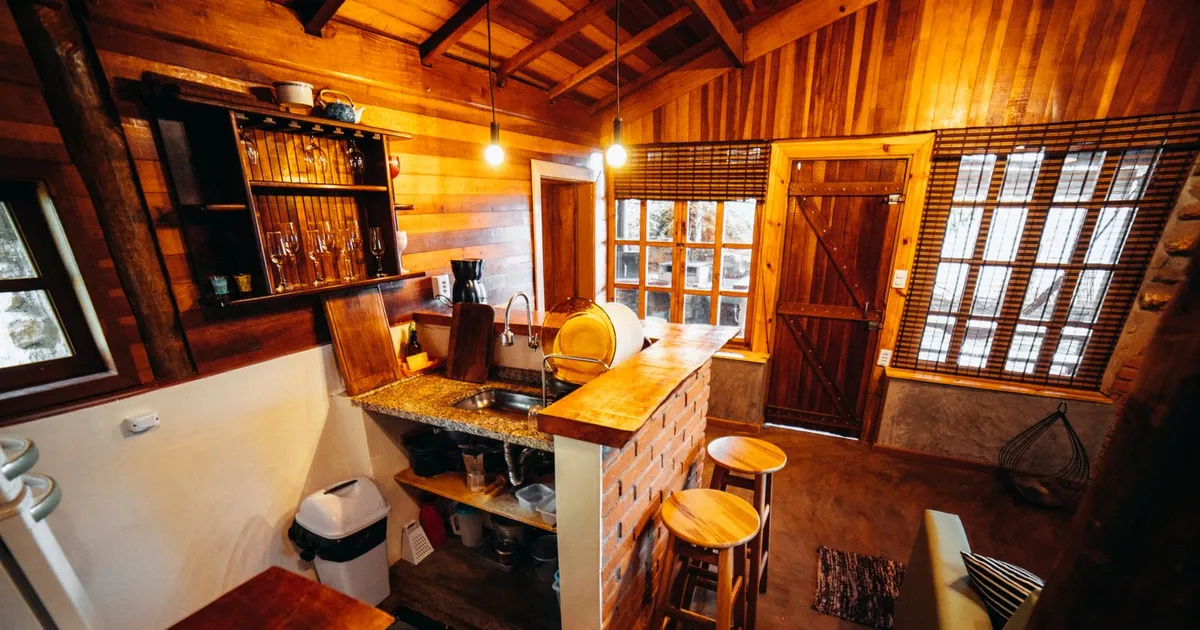
Propane Refrigerators for Cabins
Propane or 12V for a cabin fridge? How much propane one burns, when it beats solar, and the safety rules that decide it.
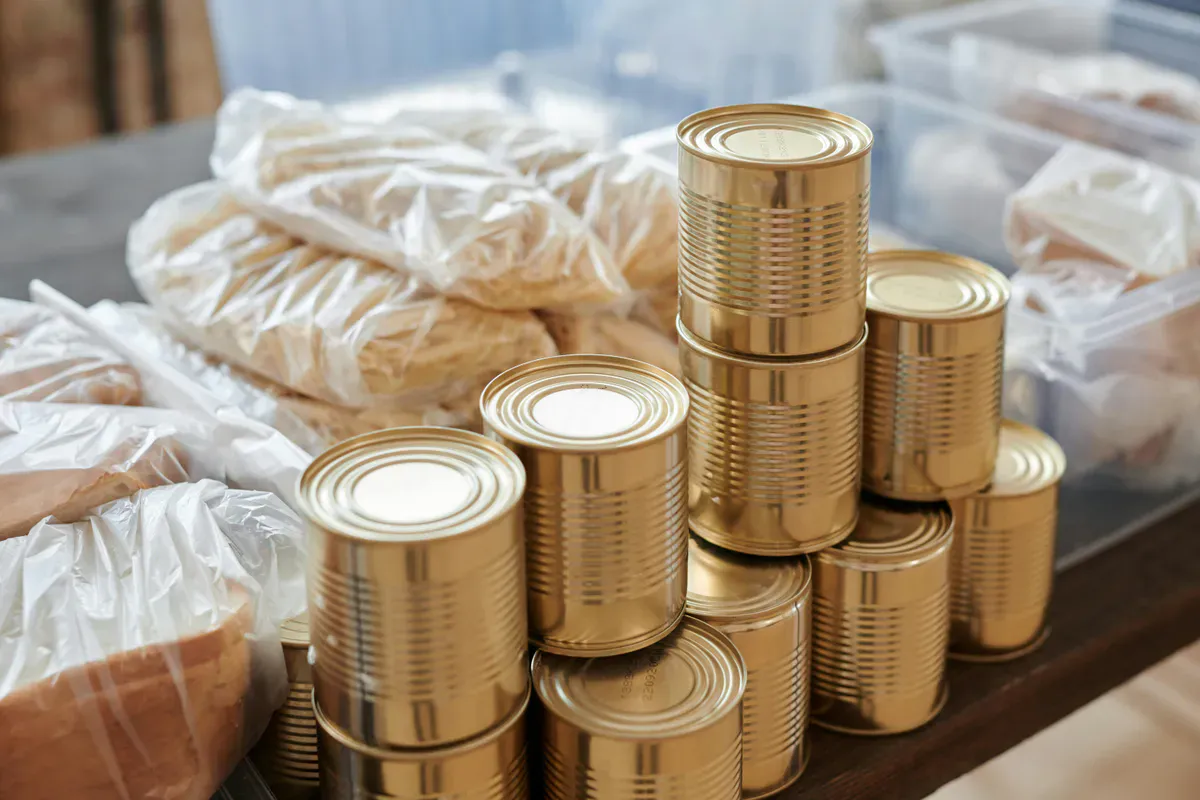
Freeze-Dried Food for Prepping
Shelf-stable for decades and ready with hot water. The best buckets and cans for a real prepping pantry, ranked by calories not hype.
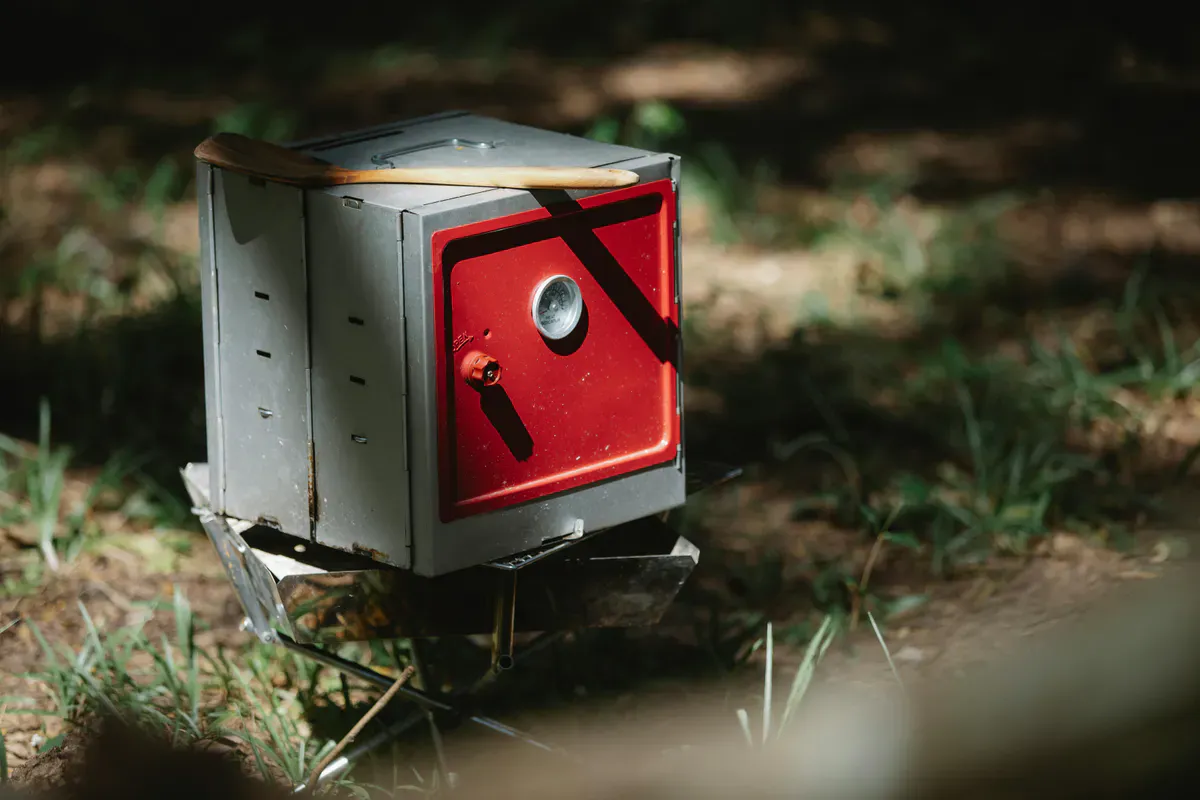
Solar Ovens
Cook with nothing but sunlight, no fuel to store or burn. Packable box ovens and vacuum-tube cookers compared by heat and capacity.

Power for the Galley
A fridge is a power problem before it is a food problem. Start here to size the solar and battery that keep it running.

Complete Builds
Copy-and-buy parts lists for van, RV, and cabin systems with a fridge already factored into the power budget.
How to choose
How to think about off-grid cold storage
Cold storage is a power decision
A 12V fridge is the heaviest steady load in most off-grid kitchens. Pick the fridge and you have set roughly half your daily power budget.
Match the fridge to the battery
Plan on 280 to 500 watt-hours a day for a 30 to 60 quart fridge. That number, not the price tag, decides which battery and how much solar you need.
Pay for the compressor, not the badge
A SECOP or LG compressor is quieter, sips less power, and lasts far longer than a generic one. It is the spec that matters most for a fridge you live with.
Put it together
Builds, tools, and power
Complete Builds
Parts lists with a fridge already in the power budget.
Solar Calculator
Answer a few questions, get a starting parts list.
Power Hub
Solar, batteries, and inverters to feed the fridge.
Beginner Guides
Plain-English how-tos on solar, sizing, and wiring.
Frequently Asked Questions
How much power does an off-grid fridge actually use?
Plan on roughly 280 to 500 watt-hours a day for a 30 to 60 quart 12V compressor fridge in warm weather, which is about 25 to 45 amp-hours at 12 volts. The compressor draws 30 to 55 watts while it runs, but it cycles on and off, so the daily total is what matters. Heat, how often you open the lid, and a colder setpoint all push it higher.
What solar and battery do I need to run a fridge?
As a baseline, one 100 watt solar panel in decent sun makes about 400 to 500 watt-hours a day, which roughly covers a single fridge. A 100Ah battery gives you a day and a half to two days of fridge-only buffer with no sun at all. Size up if you live somewhere cloudy or you are running a second load alongside it. Our power hub walks through the full sizing.
Is a 12V compressor fridge better than a cooler with ice?
For anything past a weekend, yes. A compressor fridge holds a steady temperature, never needs an ice run, and costs you only electricity you are already making with solar. A cooler is cheaper up front and fine for a couple of days, but the ice runs and soggy food add up fast on a longer trip or a full-time setup.
Will an off-grid fridge drain my battery overnight?
Not if you use the built-in low-voltage cutoff. Every quality 12V fridge has a three-stage protection that shuts the compressor off before it can pull the battery down too far. Set it to the higher protection level when the fridge is wired to a starter battery, and a normal night's draw is a small fraction of even a single 100Ah battery.