
Off-grid inverters
Best 2000W Pure Sine Inverter for Off-Grid
Updated October 7, 2026 · Product availability last verified October 7, 2026
The Renogy 2000W is the best 2000W pure sine inverter for most 12V van and cabin builds: 2000W continuous, 4000W peak, above 90 percent efficiency, GFCI outlets and a wired remote. The Giandel 2000W matches those core numbers for less, and the Victron MultiPlus 12/3000 is the step up for a full-time system that also needs a charger.
- Best for: one big load at a time, like a microwave, an induction burner or power tools.
- Plan for: about 200 amps at full load, so a 200Ah or larger LiFePO4 bank with a 200A BMS, and cable and fuse sized from the manual.
- Skip it if: you need several heavy loads at once. Past 2000W, a 24V or 48V system keeps the current sane.
A 2000W pure sine inverter is the sweet spot for a 12V off-grid build: enough to run a microwave, a burner, or power tools, without the huge cables and battery bank that bigger inverters demand. These are standalone units for a system where you already have a battery. Below are our top picks for 2026, plus the wiring and battery logic that keeps the install safe.
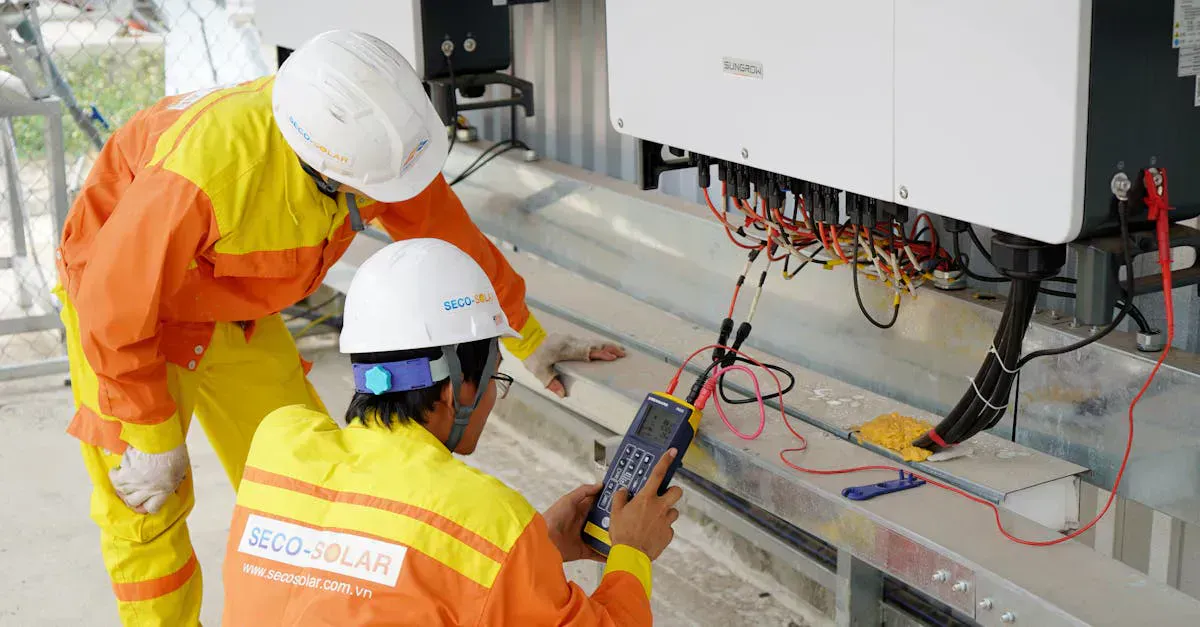
Quick picks
Short on time? Start here
Which inverter for which situation
- Most 12V van or cabin builds: Renogy 2000W. It combines 2000W continuous output, 4000W peak, GFCI outlets, and a wired remote.
- Value with an LCD: Giandel 2000W. It matches the Renogy's core output and adds a display and remote for less money.
- An install that needs a safety listing: AIMS Power 2000W. ETL listed to UL 458 and CSA, with GFCI outlets and nothing fancy to fail.
- Lowest-cost DIY build: BougeRV 2000W. It delivers full 2000W output with clean power, an LCD, and a wired remote.
- Full-time, always-on system: Victron MultiPlus 12/3000. It combines an inverter and charger with low idle draw and Victron's off-grid ecosystem.
At a glance
How the inverters compare
| Model | Best for | Continuous | Surge |
|---|---|---|---|
| Most builds | 2000W | 4000W | |
| Value with features | 2000W | 4000W | |
| Safety-listed install | 2000W | 4000W | |
| Lowest cost | 2000W | 4000W | |
| Full-time off-grid | 3000VA / 2400W cont. | High |
Specs from the manufacturers' pages: Renogy 2000W · AIMS Power 2000W · Victron MultiPlus. Amazon availability re-checked October 7, 2026.
The picks in detail
Our top 2000W pure sine inverters
Renogy 2000W Pure Sine Wave Inverter 12V
Continuous: 2000WSurge: 4000WInput: 12V DC
Verdict: The Renogy 2000W wins for most 12V van or cabin builds: 2000W continuous, 4000W peak, and a wired remote. Its fan can be audible under sustained load, and there is no built-in transfer switch.
The Renogy 2000W is our default recommendation because it is the safe middle ground that fits almost any 12V build. You get a clean 2000W continuous and 4000W peak, conversion efficiency above 90 percent, GFCI outlets, and a wired remote so you can switch it on and off without reaching the unit. Renogy is an established solar brand with US support, which matters when an inverter fails in the middle of a trip. If you want one inverter that just works for a van or cabin, start here.
What we like
- 2000W continuous and 4000W peak with >90% efficiency
- GFCI outlets and an included wired remote
- Established solar brand with US support
Worth knowing
- Fan can be audible under sustained high load
- Inverter only, no built-in transfer switch
Giandel 2000W Pure Sine Wave Inverter 12V
Continuous: 2000WSurge: 4000WInput: 12V DC
Verdict: The Giandel 2000W is the value pick for a 12V build that wants an LCD and remote: 2000W continuous and 4000W peak for less money than the Renogy. Its idle draw is higher, and it has no charger or transfer switch.
The Giandel 2000W is the feature-packed value pick. It matches the Renogy on the core numbers, 2000W continuous and 4000W peak, then adds an LCD display and a remote control for less money. The idle draw runs a touch higher than the best units, so use the remote to switch it off when nothing is plugged in, but for the price it gives you the most to work with.
What we like
- Full 2000W/4000W with LCD and remote control
- Remote lets you cut idle draw without reaching the unit
- Strong value against premium brands
Worth knowing
- Idle no-load draw is on the higher side
- Inverter only, no charger or transfer switch
AIMS Power 2000W Pure Sine Inverter 12V (PWRI200012120S)
Continuous: 2000WSurge: 4000W for 40 msListing: ETL to UL 458 and CSA
Verdict: The AIMS Power 2000W is the pick when a safety listing matters, for an insurer, an inspector or a rental rig: ETL listed to UL 458 and CSA C22.2 No. 107.1, with GFCI outlets, a USB port and a remote port. It is plainer than the others, with no app or display and no built-in transfer switch.
The AIMS Power PWRI200012120S is the plain, listed choice. AIMS lists it to UL 458 and CSA C22.2 No. 107.1 through ETL, the standards written for inverters in land vehicles and boats, and the kind of listing an RV inspector or insurer may ask for. It delivers 2000W continuous with a 4000W surge for 40 milliseconds to start motors, runs above 90 percent efficiency on a 9.8 to 16 volt input, and adds dual GFCI outlets, a USB port, and a port for an optional on/off remote. Protection covers low battery, high input voltage, overload and short circuits, and the cooling fan is thermally controlled, so it runs harder only as the unit heats up. There is no app, display or transfer switch, so it suits a build where the inverter sits in a locker and simply works.
What we like
- ETL listed to UL 458 and CSA C22.2 No. 107.1
- Dual GFCI outlets plus a USB port
- Port for an optional on/off remote
Worth knowing
- Plain, with no app or display
- No built-in transfer switch on this model
BougeRV 2000W Pure Sine Wave Inverter 12V
Continuous: 2000WSurge: 4000WInput: 12V DC
Verdict: The BougeRV 2000W is the lowest-cost pick for a DIY camper or RV build: 2000W output, above 90 percent efficiency, and under 5 percent harmonic distortion. Its support footprint is smaller than Renogy's, and it is an inverter only.
The BougeRV 2000W is the budget pick that does not feel cheap on the things that matter. It puts out a full 2000W with an LCD display and a wired remote, runs above 90 percent efficiency, and keeps total harmonic distortion under 5 percent, which is genuinely clean power for the price. The brand has a smaller support footprint than Renogy, so factor that into your decision, but for a DIY camper or RV build where every dollar counts, it is an honest pure sine option.
What we like
- Full 2000W output with LCD and wired remote
- >90% efficiency and under 5% harmonic distortion
- The lowest-cost tier among these picks
Worth knowing
- Smaller brand support footprint than Renogy
- Inverter only
Victron MultiPlus 12/3000
Class: Inverter/chargerInput: 12V DCOutput: 3000VA (about 2400W continuous at 77F)Best for: Serious, always-on systems
Verdict: The Victron MultiPlus 12/3000 is the full-time off-grid pick for an always-on 12V system: an inverter/charger rated at 3000VA and about 2400W continuous at 77F, with low idle draw. It is the most expensive and complex choice here, and it is overkill for a simple weekend build.
If you are building a system you will live on full-time, it is worth stepping up to Victron. The MultiPlus 12/3000 is an inverter and charger in one, with the low idle draw, build quality, and ecosystem that make Victron the off-grid gold standard. One honest spec note: the 3000 in the name is volt-amps, not watts. Victron rates it at about 2400W continuous at 77F, and less in a hot compartment, so treat it as a heavy-duty 2400W-class unit rather than a true 3000W inverter. It is the priciest and most complex option here and overkill for a simple weekend build, but for a hands-on full-timer who wants one rock-solid heart for the system, nothing else has the same reputation.
What we like
- Inverter and charger in one, with very low idle draw
- Outstanding build quality and Victron ecosystem support
- The reference choice for full-time off-grid systems
Worth knowing
- Most expensive and most complex option here
- More inverter than a simple weekend build needs
How to buy a 2000W pure sine inverter
Start by insisting on pure sine wave, because for off-grid it is not optional. Pure sine power matches the clean waveform that comes out of a wall outlet, so it runs everything safely. Modified sine is cheaper, but its rougher output can fry sensitive electronics, buzz through audio gear, and overheat motors and variable-speed tools. Every inverter we recommend here is pure sine, and you should treat any modified-sine unit as a non-starter for a system you actually live with.
Next, understand why 2000W continuous is the practical sweet spot for a 12V system. It is enough to run a microwave, a single induction burner, a coffee maker, or power tools, which covers the way most people actually use AC power in a van or cabin: one big load at a time. Going bigger means fatter cables, a larger battery bank, and more idle draw, all for capacity you rarely use. Going much past 2000W is also where you should be thinking about a 24V or 48V system instead, to keep the current sane.
Then plan the battery bank and cabling before you buy, because they are the real constraint, not the inverter itself. A 2000W inverter at 12 volts pulls about 200 amps under real full load, once you account for the battery sagging toward 11.5 volts and roughly 10 to 15 percent conversion loss. You need a battery bank that can deliver that continuously, which in practice means a 200Ah or larger LiFePO4 bank with a 200A-capable BMS, and cable and fusing sized from your inverter manual, with the fuse never rated past the cable it protects. An inverter starved by thin wire or a weak battery will shut off under load no matter how good it is.
Finally, look at the small things that separate a good unit from a frustrating one: efficiency above 90 percent so you waste less of your stored power, a low no-load idle draw so it does not quietly flatten the bank overnight, a remote on/off switch so you can kill it when idle, and real thermal and over-current protection. An ETL or UL listing is a nice bonus for insurance and peace of mind. These details matter more day to day than another few hundred watts of headroom you will never use.
Frequently Asked Questions
What can a 2000W pure sine inverter actually run?
Think one big load at a time plus your small electronics. A 2000W pure sine unit comfortably runs a microwave, a single induction burner, a toaster, a coffee maker, or power tools, while also keeping a laptop and a couple of monitors going. What it cannot do is run several heavy appliances at once, so plan to use the big draws one at a time. For most van and cabin life that is plenty, and 2000W is widely considered the sweet spot for a 12V system.
What battery bank do I need for a 2000W inverter?
Plan around 200 amps of continuous draw, not the 165 amps you get from dividing 2000 by 12. Under real conditions the battery sags toward 11.5 volts and the inverter loses roughly 10 to 15 percent in conversion, so full load works out to about 195 to 205 amps. Your bank has to deliver that continuously, which in practice means a 200Ah or larger 12V LiFePO4 bank whose BMS is rated for 200A continuous discharge, or two 100Ah batteries in parallel that share the load. Undersizing the battery is a common mistake that leaves the inverter shutting off under load even though the pack still shows charge.
What size cable and fuse does a 2000W inverter need?
Start from the manual for your exact inverter, because its cable and fuse specification controls whenever it is more conservative than a generic chart. The physics to sanity-check it: a 2000W inverter at 12 volts can draw about 200 amps at low battery voltage, the fuse must not exceed the cable's published ampacity rating, and the fuse exists to protect the cable, not the inverter. At 200-amp class current that means the heaviest gauge cable assemblies, 4/0 AWG territory, paired with a fuse the cable's own rating covers, installed right at the battery terminal. If a chart tells you a cable is rated for less current than the fuse ahead of it, that combination is wrong. Undersized wiring is the number one install mistake, and it is a fire-safety issue, so have a licensed electrician check anything you are unsure about.
Why does my inverter drain the battery when nothing is plugged in?
That is no-load standby draw, and it is normal. Most inverters pull somewhere between half an amp and an amp and a half just sitting on, which quietly adds up over a night or two and can flatten a small bank. The fix is simple: use the remote switch to turn the inverter off whenever you are not actively using AC power. Units with lower idle draw, like the Victron, are easier on the battery if you leave them on.
Pure sine vs modified sine, does it matter for off-grid?
Yes, and for off-grid living you should always choose pure sine. Pure sine power matches what comes out of a household outlet, so it runs everything cleanly. Modified sine is cheaper but the rougher waveform can damage or shorten the life of sensitive gear like CPAPs, variable-speed power tools, microwaves, and audio equipment, and it often causes buzzing and extra heat. Every inverter on this list is pure sine for exactly that reason.