
Water storage
Best Emergency Water Storage Containers
Updated October 9, 2026 · Product availability last verified October 9, 2026

Start with portable food-grade containers you can actually move, then add bulk storage if space allows. WaterBrick containers fit tight spaces, the 7-gallon Aqua-Tainer is the practical first jug for most homes, and a 55-gallon barrel adds efficient stay-put capacity.
- Plan the quantity first: at least 1 gallon per person per day, with a 3-day minimum and a 2-week goal where practical.
- Mix formats: portable jugs cover evacuation and daily use; a barrel covers longer shelter-in-place needs.
- Protect water quality: date home-filled containers, replace the water every 6 months, and use CDC or EPA guidance if contamination is possible.
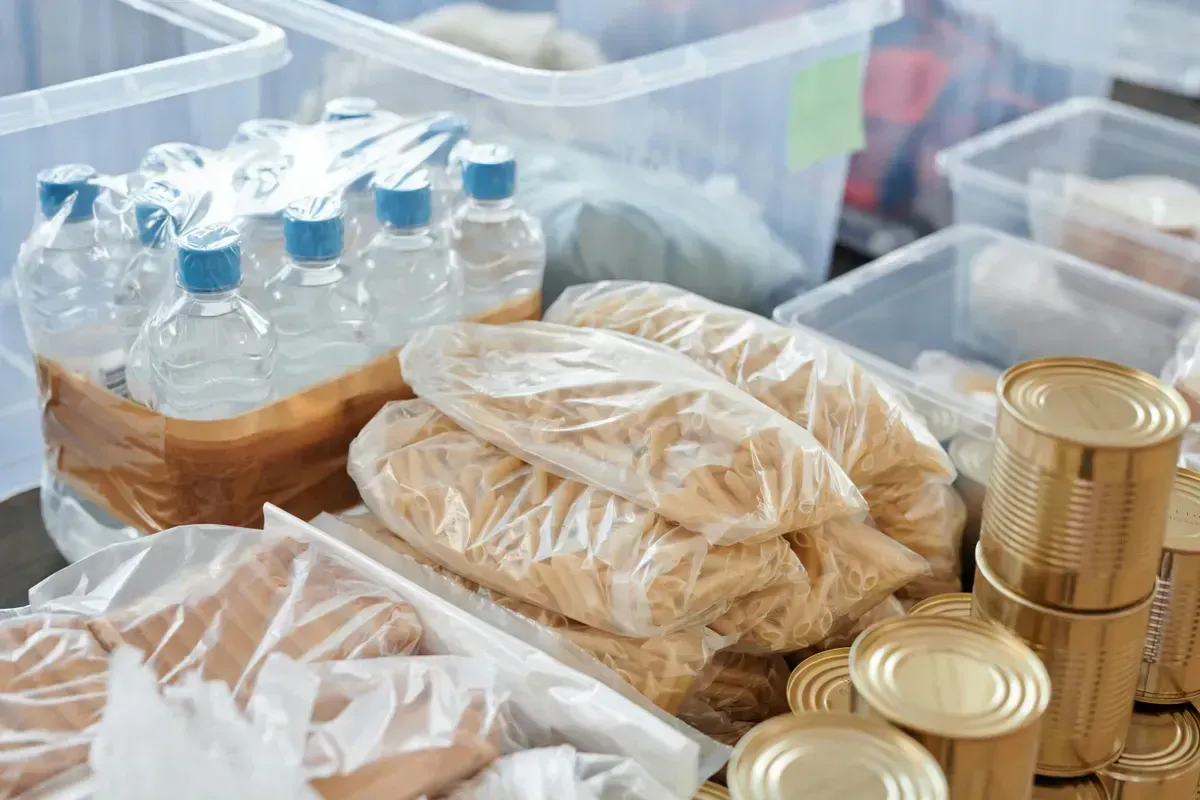
Storing water is the cheapest insurance in any prep plan, and the only real questions are how much to keep and what to keep it in. FEMA puts the floor at 1 gallon per person per day, with two weeks recommended. Below are the containers that earn their space, from stackable bricks to a 55-gallon barrel, plus the rotation and treatment habits that keep that water drinkable.
Quick picks
Short on time? Start here
WaterBrick 8-Pack
Stackable 3.5-gallon bricks for tight spaces and grab-and-go.
Check Price on AmazonReliance Aqua-Tainer 7 Gal
Built-in spigot, ideal size, the default jug for most people.
Search AmazonAt a glance
How the containers compare
| Container | Best for | Capacity | Spigot |
|---|---|---|---|
| Modular storage | 3.5 gal each | Sold separately | |
| Everyday balance | 7 gal | Built-in | |
| Rugged outdoor use | 5 gal | Spout cap | |
| Bulk home storage | 55 gal | Hand pump | |
| Last-minute prep | 65 to 100 gal (by tub size) | Siphon pump |
The picks in detail
Our top water storage containers
WaterBrick 3.5 Gallon Stackable Water Storage Containers 8-Pack
Capacity: 3.5 gal eachMaterial: Food-grade HDPE, BPA-freeBest for: Tight spaces, grab-and-go
WaterBricks are the answer when you do not have a corner for a 55-gallon barrel. Each one holds 3.5 gallons, cross-stacks like real bricks, and stays light enough to carry full at around 29 pounds. You buy a few at a time and grow the reserve as your budget allows, and the same containers double as dry food storage. For an apartment, a closet, or a vehicle you want to load and go, this is the most flexible way to store water.
What we like
- Interlocking design stacks high in small spaces
- Light enough to carry each one full
- Modular: add capacity over time
Worth knowing
- Spigot is usually sold separately
- More caps to fill than a single barrel
Reliance Aqua-Tainer 7 Gallon Water Container
Capacity: 7 galSpigot: Built-in, reversibleBest for: Most home and camp setups
The Aqua-Tainer is the jug most people should buy first. It has a hide-away spigot built in, a screw-on vent cap so it pours without glugging, and it stacks when empty. Seven gallons is a sweet spot: enough to matter for a few days, small enough that the container itself is cheap and easy to find anywhere. The one honest caveat is weight, since a full one runs about 58 pounds, so fill it where you plan to store it.
What we like
- Integrated spigot, no extra purchase
- Great size and price balance
- Widely available and trusted
Worth knowing
- About 58 pounds full, heavy to move
- Spigot can seep if cross-threaded
Compare the exact model, seller, and included accessories in the results.
Scepter 5 Gallon Military Water Container
Capacity: 5 gal / 20 LBuild: Military-spec HDPEBest for: Overlanding, truck, 4x4
If your water cans live in a truck bed or get tossed around at a base camp, the Scepter is the one built to take it. It uses the same rugged military-spec design that survives drops and vehicle transport, where a thinner home jug would crack. It stacks, it is BPA-free, and it simply does not care how rough you are with it. The trade-off is that it has no built-in spigot, so plan on a separate cap or spout for pouring.
What we like
- Toughest container here, abuse-proof
- Trusted mil-spec design, stackable
- BPA-free 20 L capacity
Worth knowing
- No built-in spigot, needs a spout cap
- Heavier-duty build costs more
Augason Farms 55-Gallon Water Storage Kit
Capacity: 55 galIncludes: Hand pump, hose, treatmentBest for: Cabins and homes with floor space
When you have the floor space, a 55-gallon barrel stores the most water per dollar and per square foot of any option here. This kit is the easy way in because it bundles the siphon hand pump, the hose, and the water-treatment drops you actually need to fill and dispense it. Set it once and forget it. The catch is obvious in the math: full it weighs roughly 458 pounds, so it is not portable, and you fill it in place on a level base raised off bare concrete.
What we like
- Most water per dollar and per footprint
- Complete kit with pump and treatment
- Long-term, set-and-forget reserve
Worth knowing
- Not portable once filled (about 458 lb)
- Needs a sturdy, level base off concrete
Compare the exact model, seller, and included accessories in the results.
AquaPod Kit Bathtub Emergency Water Storage
Capacity: 65 to 100 gal (by tub size)Use: Fills a standard bathtubBest for: Hurricane and boil-notice prep
The AquaPod solves a different problem: you need a lot of water right now, and the supply might be cut soon. It is a food-grade, BPA-free liner that holds 65 to 100 gallons depending on your tub, with a built-in siphon pump to draw it back out. Covered and sealed, that water stays clean far longer than an open tub would. The one rule is that it only works if you fill it before the water goes out, so it lives in the closet until a storm is forecast.
What we like
- 65 to 100 gallons with zero permanent storage space
- Keeps tub water clean and covered
- Cheap insurance for forecast events
Worth knowing
- Only useful if filled before supply is cut
- Ties up a bathtub during the event
Aquamira Water Treatment Drops
Type: Chlorine dioxide, two-partLabel capacity: Up to 30 gal per kitBest for: Stored-water taste and odor
Aquamira Water Treatment Drops are a compact backup for stored water. The current product page and EPA label support reducing odor-causing bacteria and improving the taste of stored water, with up to 30 gallons treated per kit. They do not support the broad virus, Giardia, or Cryptosporidium claim this guide previously made. Follow the product label exactly, and use boiling or a purifier specifically labeled for the suspected pathogens when source-water safety is uncertain.
What we like
- Small backup for stored-water taste and odor issues
- EPA-registered product with label directions
- Treats up to 30 gallons per kit
Worth knowing
- Not a substitute for boiling or a pathogen-rated purifier
- Two-part mixing and label contact time required
How to buy and store emergency water
Start with the number, because it drives everything else. FEMA and Ready.gov say to plan for at least 1 gallon per person per day, with a 3-day minimum and two weeks preferred. Split that roughly in half for drinking and for cooking and hygiene, and do not forget pets. Run the math for your own household before you buy a single container: a family of four planning two weeks needs around 56 gallons, and seeing that figure usually changes how you shop.
Next, match the container to where it will live and how you will use it. Almost nobody should buy just one kind. The smart approach is a layered reserve: a bulk 55-gallon barrel for the bulk of your water if you have the floor space, several stackable jugs or WaterBricks you can actually pick up and carry if you have to move, and a bathtub bladder you fill only when a storm is forecast. A barrel is unbeatable on cost per gallon but useless if you need to evacuate, so portability and bulk solve different problems.
Insist on food-grade, BPA-free containers, and never improvise with old milk or juice jugs. Those jugs biodegrade, split at the seams, and hold onto sugars that feed bacteria no matter how hard you scrub. The containers here are all rated for potable water, which is the whole point. Where a container has no built-in spigot, like the Scepter can, factor in a separate spout or pump so you can actually dispense the water without contaminating it.
Finally, treat storage as an ongoing habit, not a one-time purchase. Put a date on every home-filled container and replace the water every six months. Keep everything cool, dark, and off bare concrete, and away from fuel and pesticides whose vapors can contaminate stored supplies. Water you stored and forgot for years is not automatically safe. If there is any doubt, follow current public-health guidance before drinking it.
Safety and storage sources
- EPA label record for Aquamira Water Treatment, registration 71766-1
- Aquamira Water Treatment Drops product directions and label claims
- CDC: How to Make Water Safe in an Emergency
- EPA: Emergency Disinfection of Drinking Water
- FEMA: Food and Water in an Emergency
Frequently Asked Questions
How much emergency water should I store?
FEMA and Ready.gov recommend at least 1 gallon per person per day, with a 3-day minimum and a 2-week supply preferred. About half of that is for drinking and half for cooking and hygiene. The math is easy to run for your household: a family of four planning for two weeks needs roughly 56 gallons, which is why most people end up mixing portable jugs with one bulk barrel.
How long does stored tap water stay safe?
Use clean food-grade containers, date each fill, and replace home-filled emergency water every 6 months. Keep commercially bottled water sealed and follow its date and storage instructions. If stored water may be contaminated, follow current CDC or EPA emergency guidance instead of relying on a generic preservative dose.
Where and how should I store water containers?
Keep them cool, dark, and off bare concrete, since concrete can pull temperature and flavor into the plastic over time; set them on plywood or a pallet instead. Store them well away from gasoline, pesticides, and solvents, because those vapors can permeate plastic and contaminate the water even through a sealed lid. A closet, basement corner, or shaded shed works well.
Can I reuse old milk or juice jugs?
No. Milk and juice jugs are nearly impossible to fully sanitize, they biodegrade over time, and they split at the seams when stacked or moved. Sugars and proteins left behind feed bacteria. Use containers specifically rated food-grade and BPA-free for water, such as the Aqua-Tainer, the WaterBrick, the Scepter can, or a dedicated 55-gallon barrel.
Is long-stored water a bacteria risk?
It can be if the container, fill water, or handling introduced contamination. Keep containers sealed, cool, and dark, and replace home-filled water every 6 months. If safety is uncertain, CDC says boiling is the best option for killing germs; otherwise follow current EPA emergency-disinfection instructions and the exact product label.